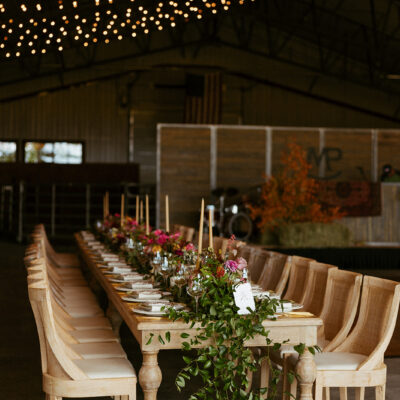

Photo Credit: Frances Photography

When people think of catering, they often think of food first. And while an exceptional menu is essential, it’s only one piece of what truly makes an event unforgettable. The most impactful events are designed holistically – where every touchpoint, from arrival to departure, is intentional, immersive, and emotionally engaging.
At our previous annual industry showcase event, luxe, we set out to do exactly that: design a guest experience, not just serve a meal. Here’s how we approached it – and how you can apply the same principles to your next event.
Start With a Feeling, Not a Menu
Before a single dish was developed, we asked one question: How do we want guests to feel?
For luxe, the answer was clear – decadent, playful, and surprised at every turn.
What began as a high-end brunch concept evolved into a multi-sensory journey rooted in luxury. That feeling guided every decision:
- A soft palette of pinks, neutrals, and whites
- Contrasting textures like velvet, acrylic, jute, and rattan
- Interactive moments layered throughout the space
When you design from emotion first, the menu becomes a supporting character – not the whole story.
Design the First Impression Intentionally

The guest experience begins long before the first bite.
At luxe, guests were welcomed with a custom juice tap wall and champagne cart. Instead of being handed a drink, they created their own – choosing from artisan juices like honeycrisp apple, mango, and huckleberry to build a personalized mimosa (or zero-proof option).
This moment did three things:
- It immediately engaged guests
- It set expectations for creativity
- It gave them ownership of their experience
Takeaway: The arrival moment should invite participation, not just observation.
Create a Visual Story Guests Can Walk Through
Great events unfold like a story – and your layout is the narrative.
As guests entered the main space at blanc, they weren’t just walking into a room – they were stepping into a scene:
- A floor-to-ceiling champagne bottle installation bursting with balloon “bubbles”
- A ceiling installation that guided the eye across the room
- A rotating bathtub centerpiece featuring a glamorous performer immersed in pearls and diamonds
This wasn’t just décor – it was theatrical storytelling.
Every element had a purpose: to draw guests in, spark curiosity, and encourage exploration.
Takeaway: Think beyond tables and buffets. Design moments that make guests pause, look, and move through the space intentionally.
Make the Food Interactive

If guests are only eating, you’re missing an opportunity.
At luxe, food wasn’t just served – it was experienced:
- Our “Grow Station” where guests planted “seeds” (like pear, prawn, or tuna) and watched a dish come to life
- Fresh pasta being handmade in front of them
- Passed hors d’oeuvres presented on custom acrylic floral trays
- A six-foot bagel board carried through the room
These moments turned dining into entertainment.
Takeaway: Interactive food stations create connection – not just between guests and food, but among guests themselves.
Reinvent the Familiar

Luxury doesn’t always mean caviar and champagne (though we love both). Often, it’s about reimagining what people already know.
We took classic brunch staples and elevated them:
- “Pigs in a blanket” became house-cured salmon with caviar and pumpernickel
- “Bacon & eggs” featured quail egg, pancetta, and hollandaise in a brioche cup
- Toaster strudel transformed into a savory, flaky pastry with gourmet fillings
Even spa-inspired dishes became playful culinary moments – like avocado “cream” in squeeze tubes or a “hair spray” salad concept.
Takeaway: Familiarity makes guests comfortable. Creativity makes them remember.
Engage All Five Senses

A true guest experience goes beyond taste.
At luxe, we layered sensory elements throughout:
- Sight: bold installations, color gradients, and unexpected displays
- Sound: lively energy and movement throughout the space
- Touch: varied textures in furniture, plating, and décor
- Taste: dynamic, multi-layered dishes
- Smell: fresh herbs, florals, and warm, savory aromas
The result? A fully immersive environment guests didn’t just attend – they felt.
Don’t Forget the Transitions
One of the most overlooked aspects of event design is how guests move between spaces.
We embraced even the shortest transition by turning it into an experience. Guests traveling between indoor and outdoor areas were transported via pedicabs with custom umbrellas, blankets, and pillows – adding charm, comfort, and a touch of whimsy.
Takeaway: Every moment counts – even the in-between ones.
Collaboration Is the Secret Ingredient
Designing a guest experience at this level isn’t about one team – it’s about all teams.
luxe came to life through collaboration between:
- Culinary experts
- Event designers and florists
- Carpenters and fabricators
- Graphic designers
- Operations and service teams
From custom acrylic plates to handcrafted installations, every detail was intentional – and every department played a role.
Takeaway: The best events happen when creativity isn’t siloed.
The Big Idea: Guests Remember Experiences, Not Just Meals
At the end of the day, guests may not remember every ingredient – but they will remember how they felt.
Did they feel surprised? Delighted? Immersed? Inspired?
That’s the difference between catering a menu and designing an experience.
Planning Your Next Event?

If you’re ready to move beyond traditional catering and create something truly unforgettable, start by asking:
What story do you want your guests to walk into?
From there, build every detail – menu, design, service, and flow – around that answer.
Because the most successful events don’t just feed people.
They stay with them.